
Lab and Research Safety
The UO provides programs to help faculty, staff, students, and visitors safely conduct research, create safe lab environments, and achieve and maintain compliance with regulations related to health, safety, and protection of the environment.
Key Responsibilities
Everyone has a role to play in maintaining safe labs and research programs. Here are a few key responsibilities.
- Ensure lab members' compliance with all regulations and UO policies applicable to their work.
- Ensure safe working conditions in the lab.
- Select appropriate safety trainings for lab members.
- Select appropriate PPE for lab work.
- Ensure lab members are trained on the hazards of their work.
- Ensure proper recordkeeping including documentation of safety trainings, waste determinations, and the lab's chemical inventory.
- Review workplace injuries, incidents, and near-misses with lab members and implement safer working practices.
- Complete required safety trainings in a timely manner and provide documentation to Lab Safety Contact and/or PI.
- Follow all applicable regulations and UO policies.
- Follow lab-specific safety protocols and standard operating procedures (SOPs).
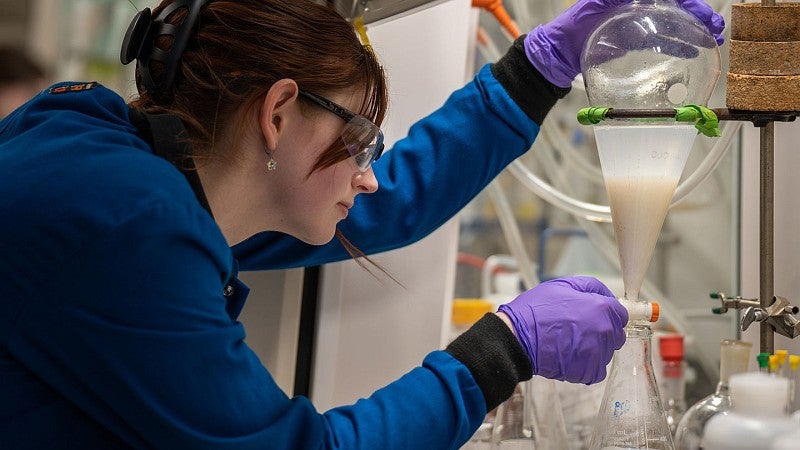
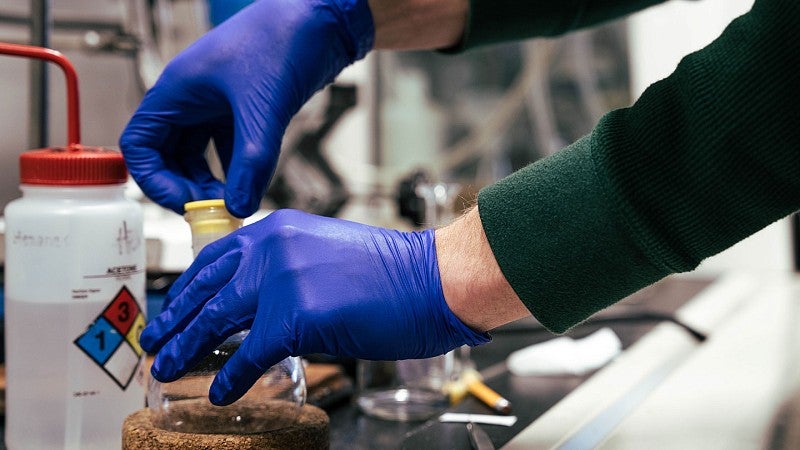
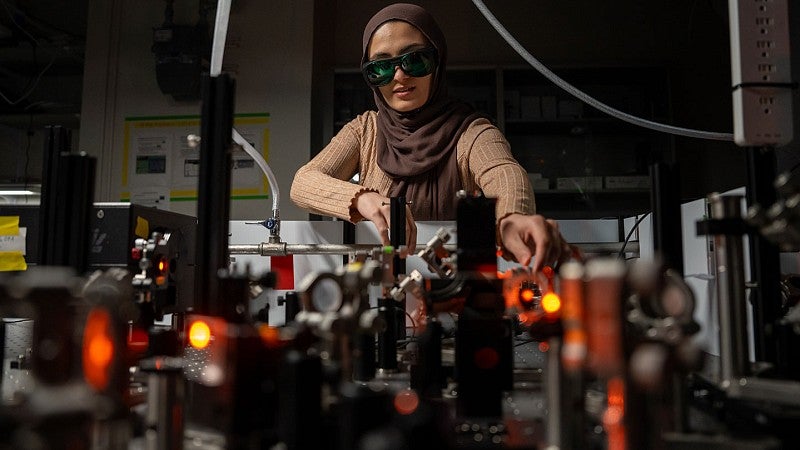
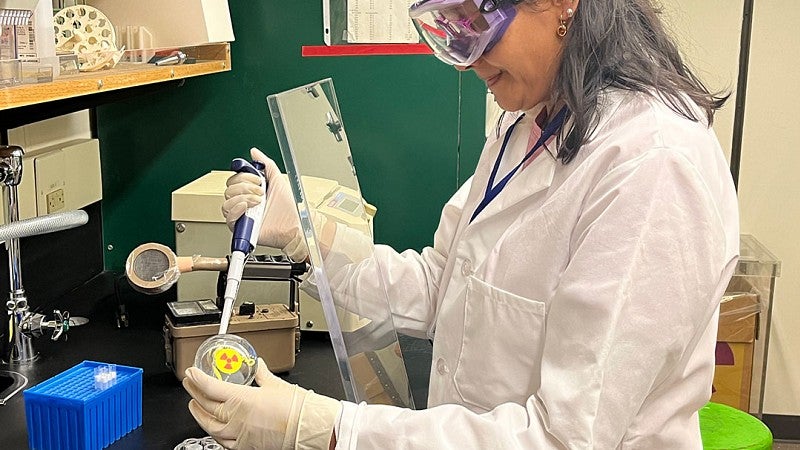
- Use appropriate engineering controls and PPE for lab hazards.
- Complete waste determinations for all waste generating lab processes.
- Store and dispose of lab waste appropriately.
- Communicate hazards to lab members and PI.
- Report all workplace injuries, incidents, and near-misses.
- Provide lab-specific safety orientations for new trainees.
- Keep track of safety training updates and manage training documentation.
- Prepare for EHS lab safety inspections.
- Distribute EHS emails, including newsletters, safety bulletins, and safety program updates.
- Ensure lab eyewash stations are flushed weekly and flush dates are logged.
- Additional tasks as assigned by PI.
Trainings
Environmental Health and Safety teams work with academic units to provide lab safety training, orientation resources, and training templates. Trainings are available in person and online through MyTrack, LinkedIn Learning, or Community Canvas.
Employees with Duck IDs can register for in person training sessions and take online trainings through MyTrack. The EHS Community Canvas has online trainings and is available for anyone with a UO email address. For initial access to the EHS Community Canvas email Lab Safety.
Everyone working in a UO lab must complete Lab Safety and Hazardous Waste Management and Fire Protection in Labs trainings. An annual refresher is required for Lab Safety and Hazardous Waste Management.
Upcoming in person trainings are listed on the Resource Hub.
Depending on the type of research conducted, your lab may require additional trainings on specific equipment, chemicals, or protocols. PIs and lab supervisors determine which additional trainings are needed.
The Training section of the Lab Safety Manual has resources to aid PIs and lab supervisors in developing plans and determining which trainings are appropriate for their labs.
Lab Coat Program
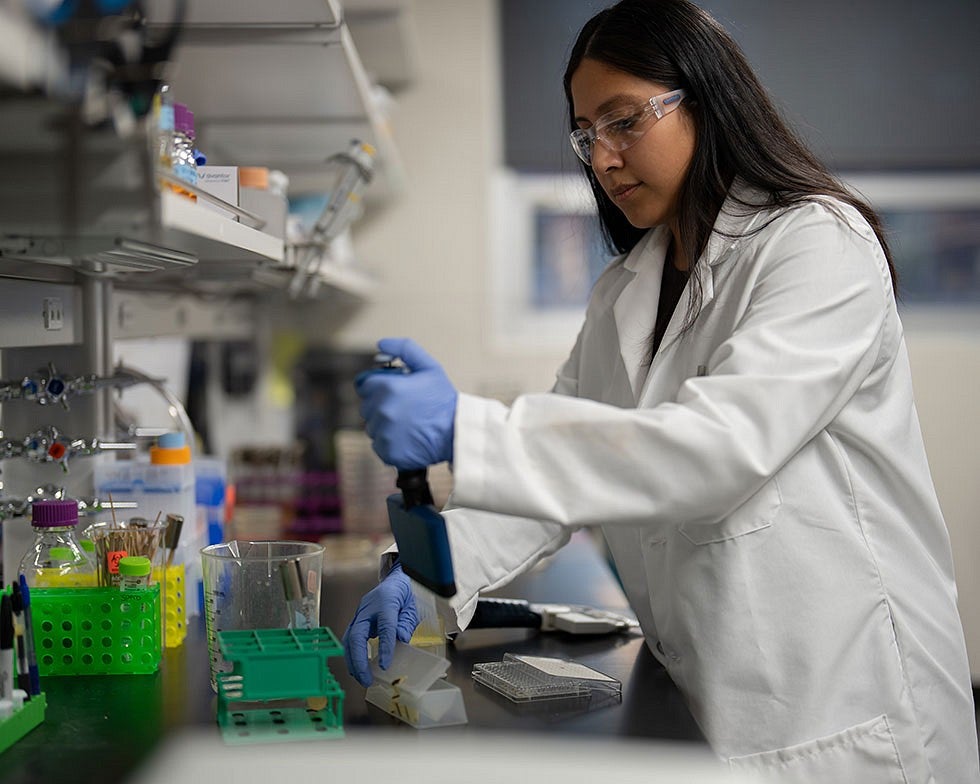
EHS partners with UniFirst Corporation to provide a no-cost lab coat lending program for research and teaching lab staff.
PIs or supervisors are responsible for choosing the correct lab coat type for each lab member based on their job hazards. EHS is available to consult with supervisors on selecting the appropriate type of lab coat.
Lab Safety Manual
This Laboratory Safety Manual, with the Biosafety Manual, Chemical Hygiene Plan, and Radiation Safety Manual, serves as a reference guide for laboratory safety best practices. Topics covered include: compressed gases, electrical safety, electrophoresis, emergency planning, equipment safety, engineering controls, hazardous materials shipping, lab close out, lab ergonomics, machine guarding, physical hazards, training, and wastewater disposal.
Labs generate hazardous wastes and materials in the course of research and lab close out.
The Hazardous Materials webpage has information to help researchers and lab workers identify universal waste and hazardous materials, schedule different types of waste pick-ups, and learn about transporting regulated materials.
EHS Assistant (EHSA) database coordinates the use, storage, and disposal of a department and laboratory's chemicals and hazardous substances. It also tracks compliance-related information such as individual training records, lab inspections, equipment testing, chemical inventories, and disposal of hazardous materials.
The EHS Assistant page has instructions for first time log in, submitting a waste pick-up request, and searching the chemical inventory.
Research Safety Programs


Meet The Team
Laurie Graham
Laboratory Safety Manager
Biosafety Officer
she/her/hers
Ben Bythell
Hazardous Materials Manager
Chemical Safety Officer
he/him/his
Steve Stuckmeyer
Director of Environmental Health and Safety
Radiation Safety Officer
he/him/his
Laura Taggart-Murphy
Lab Safety Research Assistant
she/her/hers
Jenny Kane
Hazardous Waste Specialist
she/her/hers
Nicole Nesser
Research Compliance and Outreach Associate
she/her/hers
Margarita Rojas
Hazardous Materials Specialist
she/her/hers